
The Silent Realities of Retirement
Tom Nelson - Retired Government Officer
Everyone thinks that after retiring from work, they can relax and unwind. But for many, a life of leisure becomes an illusion. Retirement does not mean the end of responsibilities. In fact, new responsibilities emerge—house maintenance, children’s marriages, caring for grandchildren, and settling other liabilities. The money received at retirement is often quickly absorbed by these needs. Many retirees find themselves becoming full-time babysitters for their grandchildren and, at times, are subjected to emotional pressure. Some are compelled to live in unfamiliar circumstances with distant relatives.
The rhythm of life that existed during employment slowly fades away. Daily routines change. Friendships reduce. Social circles shrink. Loneliness and mental anguish gradually take hold. As the years pass, illnesses become more frequent. When health deteriorates, the ability to make informed health decisions also weakens. Along with physical diseases, depression silently affects the mind.
At the same time, I cannot ignore the fact that there are many who live purposefully and happily after retirement. With supportive family circumstances and a wide circle of friends, they experience fulfillment and dignity. Yet even they, at a certain stage of life, face similar challenges—though perhaps in different forms and to different degrees.
Financial planning is a complex process. Making sound financial decisions is not easy, especially after retirement. For many, economic stability begins to erode. Changing family relationships sometimes turn homes into emotional prisons. Some elders continue in difficult situations simply because they feel they have no other option.
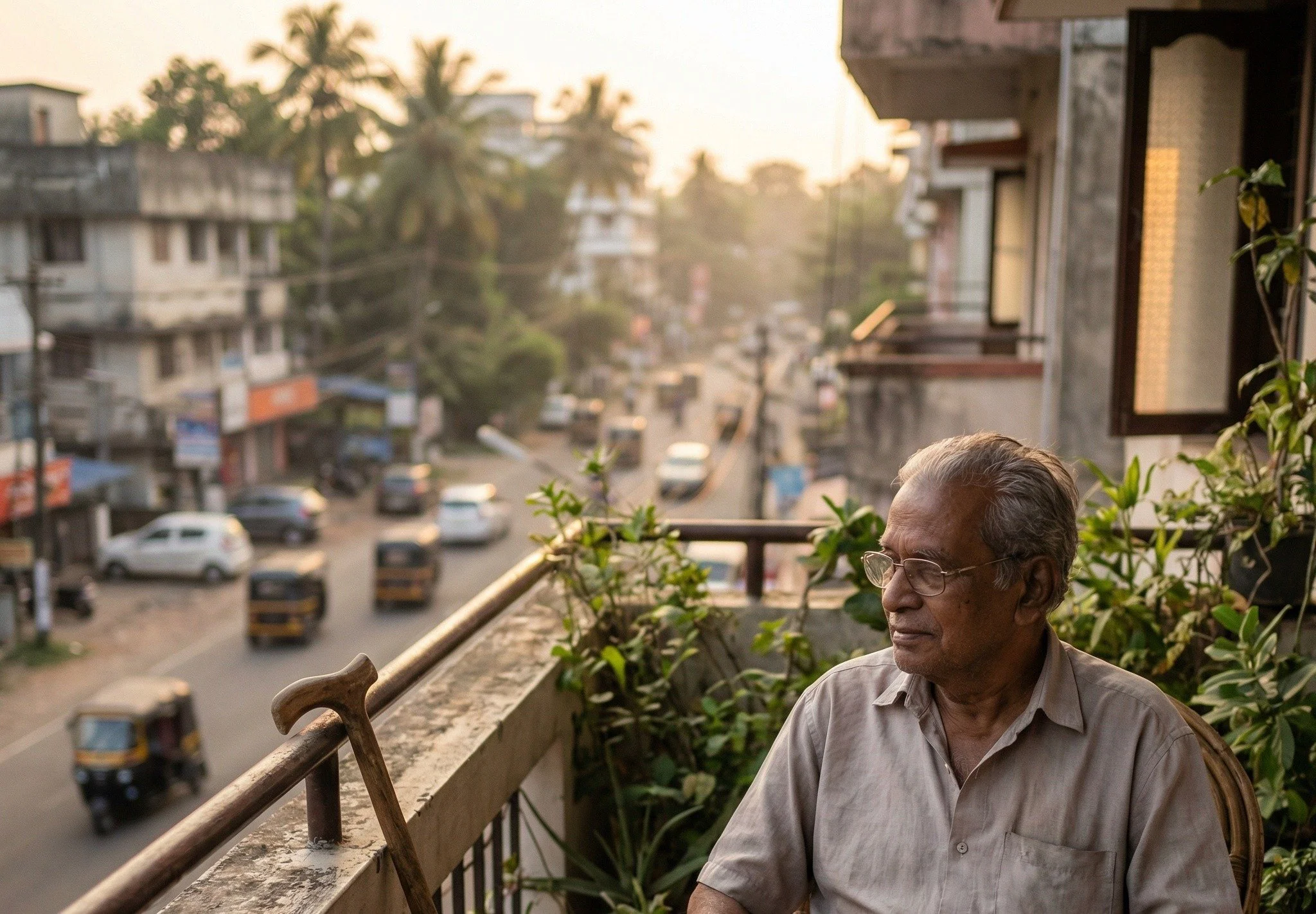
I have also observed that some people turn to alcoholism or excessive involvement in politics as a way to cope with loneliness. The absence of active social networks often deepens depression.
Health concerns are widespread. I see many elderly people suffering from knee pain, heart disease, stroke, diabetes, peripheral neuropathy, dementia, and Parkinson’s disease. Procedures such as knee replacements, angioplasty, and bypass surgeries have become common. Insufficient insurance coverage is a major issue. In my view, many elderly people
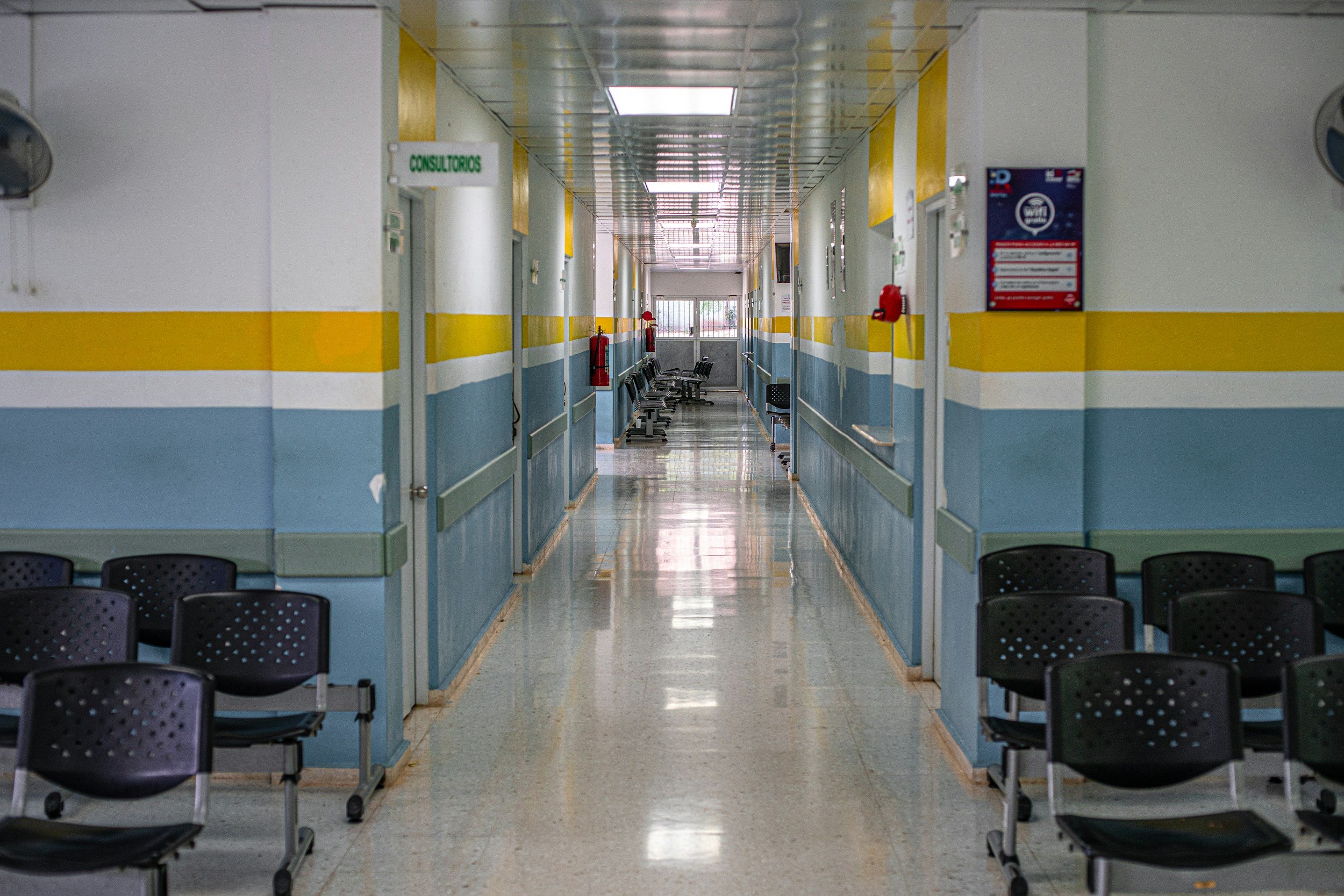
spend an average of Rs. 3,000 per month on medicines alone. The cost of treatment is often overwhelming. Those above 60 years of age usually have pre-existing conditions, and insurance companies frequently exclude them or charge very high premiums. Cashless insurance schemes would provide a greater sense of security and dignity.
Today, it is increasingly common to see parents living alone while their sons and daughters are far away. In the event of a sudden heart attack or stroke, the elderly person may not even be able to call an ambulance or reach a good hospital in time. The necessary social relationships and support systems are often missing. There is a strong need for some form of network management system—community-based support that ensures immediate assistance during emergencies.
Community living is a positive development that is gradually taking shape in Kerala. It provides necessary facilities and amenities for retirees and even for those who are still active. Strengthening the social fabric is critical. This may involve building new connections, and more importantly, nurturing and sustaining existing ones.
Retirement homes are now widespread, offering the possibility of comfortable and tension-free living. However, many require a large upfront payment—sometimes Rs. 30 to 50 lakhs—along with monthly running expenses that the average middle-class family cannot afford. In the event of death or transfer, services often cease, and the financial arrangements may not always favor the resident’s family. While it is true that institutions cannot function without profit, there is a need to balance sustainability with compassion. Models with limited profits, designed for the mutual benefit of residents and management, should be encouraged. Exploring the utilization of CSR funds in this sector could be one meaningful step.
In reflecting on all this, I realize that aging is not merely a personal journey—it is a social responsibility. Retirement should not mean isolation, insecurity, or silent suffering. It should be a stage of dignity, purpose, and community. If families, institutions, and society at large work together to strengthen financial planning, healthcare access, social networks, and compassionate living arrangements, the elderly years can truly become a time of fulfillment rather than fear. The future we build for today’s elderly is, in fact, the future we are building for ourselves
Tom lives in Bharananganam, Kerala, and is actively involved in supporting his peers in elderly care and support. He can be reached at nelsontom82@gmail.com
